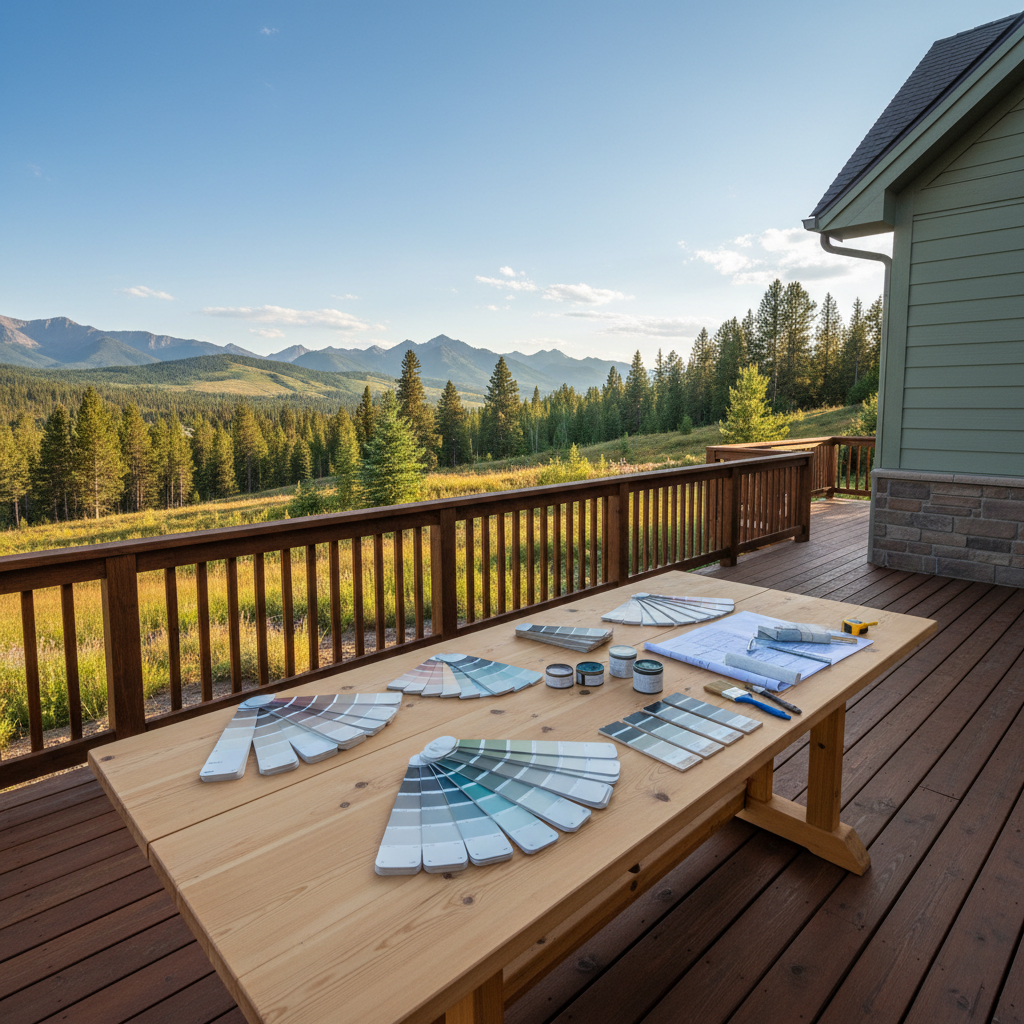
So, you just got your home painted, maybe even after a fresh color chat with us at Big Sky Custom Painting. You're probably loving how it looks, and hey, you should! It's a big deal, a real investment, and naturally, you want it to last. But around here in Big Sky, our climate is no joke. That sun, snow, wind, and those wild temperature swings can really beat up a paint job if you're not careful. Think of your paint as a protective skin for your home – it needs a little love to do its job right.
Making Your Paint Job Last Longer
The best way to make your paint last, of course, starts with how it's put on in the first place. Good prep, quality paint, and knowing what you're doing are absolutely essential. But once it's up there, there's still plenty you can do. For exteriors, especially on homes that really take a beating from the weather, like those up on Andesite Mountain, regular cleaning is super important. Dirt, dust, pollen, even exhaust from snowmobiles or ATVs can build up on your siding. This gunk traps moisture against the paint, which then leads to mildew, fading, and eventually, peeling. Just a gentle wash with a garden hose and a soft brush or sponge once a year can really change things. Just don't go crazy with a high-pressure washer unless you truly know what you're doing – you could actually damage the paint or force water right behind the siding.
For interiors, it's mostly about being careful. Wipe down scuffs and marks pretty quickly with a damp cloth and some mild soap. If you've got kids or pets, you already know how fast walls can get dinged up, right? Keep a little bit of your leftover paint for touch-ups. A quick dab now is way, way easier than having to repaint a whole wall later.
What You Should Be Doing: Regular Upkeep
Beyond just cleaning, you need to be proactive. For exterior paint, take a walk around your house every spring after the snow melts, and then again in the fall before winter really sets in. Look closely at all the surfaces, especially those south-facing walls that get the most sun, and areas around your windows and doors. Check the trim, fascia, and soffits. See any cracks in the caulk? Caulk is your first defense against moisture sneaking behind the paint and into your home's structure. If you spot cracks, deal with them. Re-caulking a small section is a pretty easy DIY fix, and it stops bigger headaches down the road.
Also, keep an eye on your gutters. Clogged gutters can make water overflow and run right down your siding, causing streaks, mildew, and paint to fail too soon. Make sure they're clear and draining like they should. For interior walls, it's less about the environment and more about everyday wear and tear. If you notice a high-traffic spot starting to look dull or scuffed, don't wait until it becomes a real eyesore. A quick touch-up can blend it right back in.
Signs of Trouble to Watch For
You don't have to be a paint expert to spot when something's wrong. Here are some clear signs your paint job needs a closer look:
- Fading or Chalking: If your exterior paint is losing its vibrant color or you can rub off a powdery residue, that means the sun's UV rays are breaking down the paint film. This is pretty common here with our intense high-altitude sun.
- Cracking or Peeling: This is a big one. Any cracking, blistering, or peeling means the paint isn't sticking right. It lets moisture in and will only get worse.
- Mildew or Mold: Dark spots, often black or green, especially on north-facing walls or in shaded, damp spots. This isn't just ugly; it can actually damage the paint and even your home's structure.
- Water Stains: Streaks or discoloration, particularly below windows or eaves, tell you water is getting somewhere it shouldn't.
- Dry Rot: While not strictly a paint issue, if you see paint failing over wood that looks soft, spongy, or crumbly, you've got dry rot. This needs immediate attention, and not just from a painter.
When to Call a Professional
Look, I'm all for homeowners tackling small projects. Re-caulking a window or touching up a scuff mark? Go for it. But there are times when you really need to bring in the pros. If you see widespread peeling, cracking, or mildew, it's usually more than a simple fix. These often point to deeper issues like moisture getting in, improper surface prep from the last job, or just the paint reaching the end of its life.
If you're dealing with lead paint (which is common in older homes, especially those built before 1978), please don't mess with it yourself. That requires specialized handling. Also, if the work involves heights you're not comfortable with, or if you just don't have the time or tools, give us a call. We've got the equipment, the experience, and we know how to handle Big Sky's unique challenges, like painting during our short summer season or working around those heavy snow loads. Getting ahead of these problems saves you money and headaches in the long run. Don't wait until a small issue turns into a full-blown repaint project.